The pioneers, bandleaders, singers, and instrumentalists who brought the music of Storyville to life, shaping the distinctive sound of New Orleans and laying the foundations for the development of jazz.
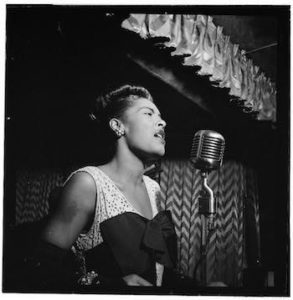
Billie Holiday
The man who helped change the sound of jazz.
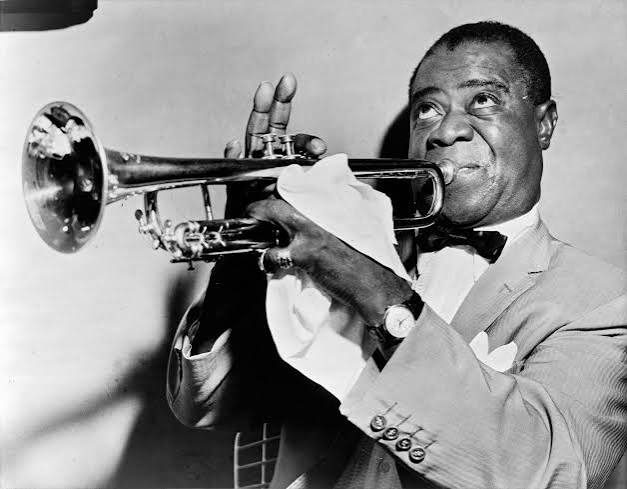
Born in New Orleans in 1901, Louis Armstrong became one of the most influential musicians of the 20th century. A dazzling trumpet player and distinctive singer, he brought an incredible energy and personality to everything he played.
Armstrong was a master of improvisation—creating music in the moment—and his powerful trumpet solos helped transform jazz, inspiring generations of musicians around the world.
With his unmistakable voice, infectious smile and extraordinary musical talent, Armstrong became a global star and one of the greatest ambassadors for jazz.
His legacy: He didn't just play jazz. He helped shape the music and take it to the world.
Legendary musicians
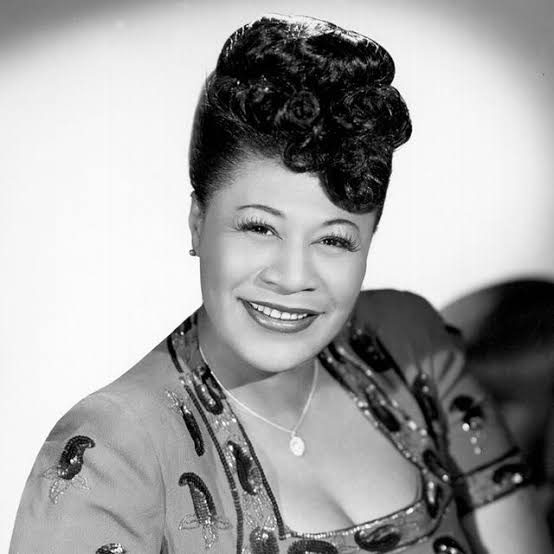
Ella Fitzgerald
The First Lady of Song.
Born in Virginia in 1917, Ella Fitzgerald became one of the greatest singers in the history of jazz. She rose to fame with Chick Webb’s orchestra and soon became known for her smooth, beautiful voice and extraordinary musical control.
Ella was also a master of scat singing, using her voice almost like a musical instrument to improvise melodies and rhythms. Her incredible range, pitch and timing made her performances seem effortless.
For decades, she delighted audiences around the world and recorded with many of the greatest musicians of the jazz era.
Her legacy: A voice of extraordinary precision, warmth and imagination that continues to inspire singers today.
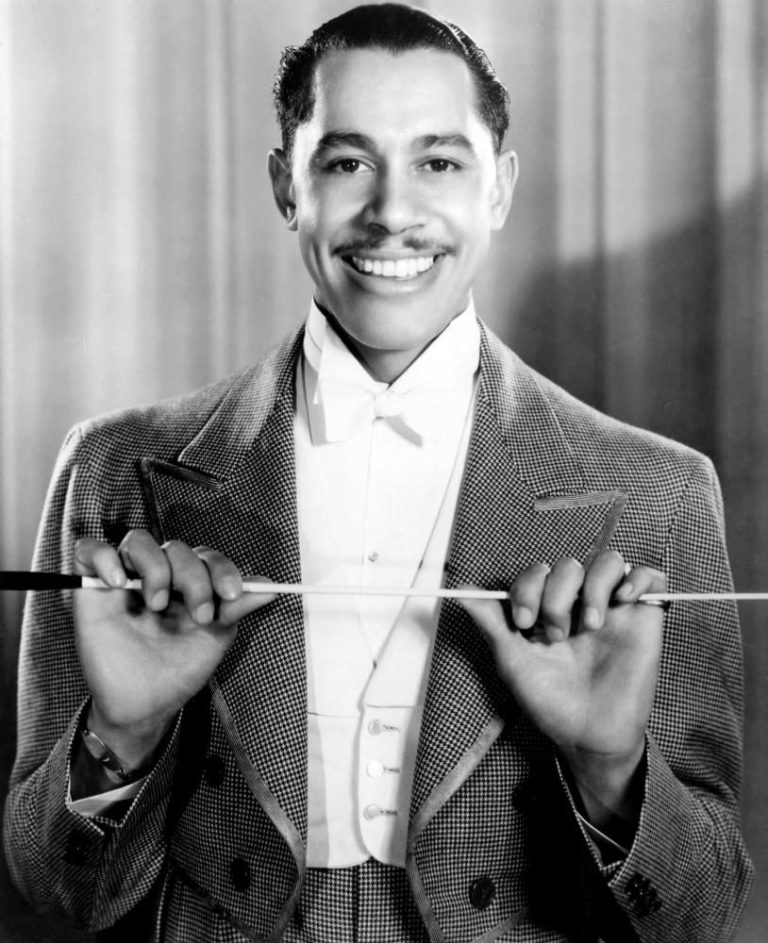
Cab Calloway
The showman who made jazz impossible to sit still to.
Born in Rochester, New York, in 1907, Cab Calloway became one of the most exciting entertainers of the jazz age. As the leader of the famous Cotton Club orchestra, he brought energy, style and theatre to every performance.
With his trademark white suits, energetic dancing and larger-than-life personality, Calloway quickly became a star. His famous “hi-de-hi-de-hi-de-ho” scat call became one of the most recognisable sounds of the era.
He wasn't simply leading a band—he was putting on a show.
His legacy: He helped bring the excitement and personality of jazz to huge audiences.
louis armstrong

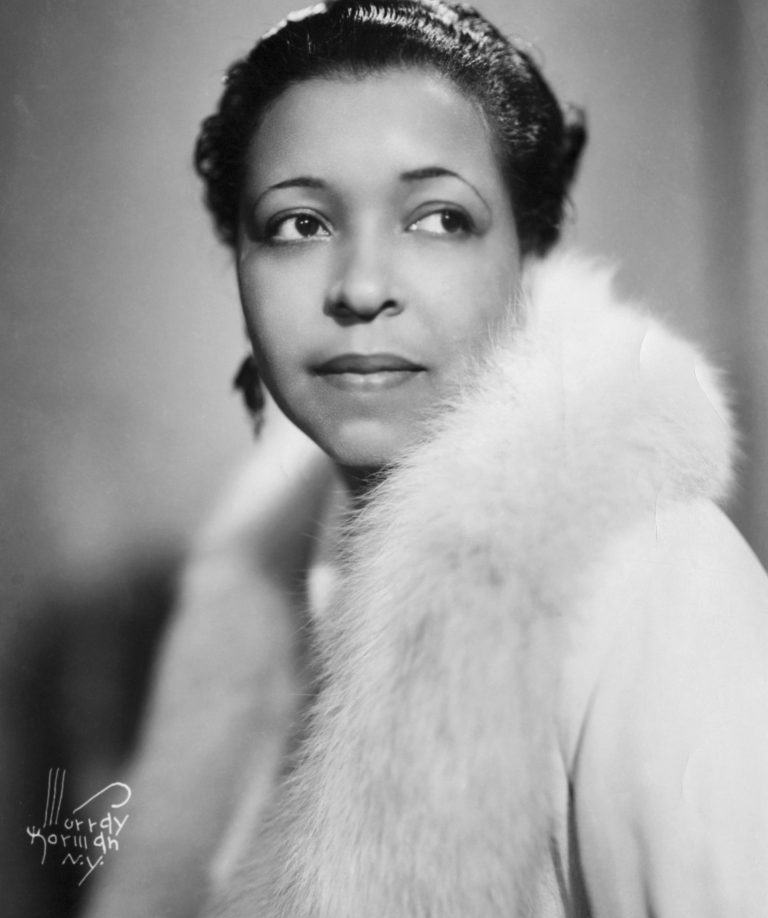
Ethel Waters
A powerful voice who helped connect blues, jazz and popular music.
Born in Chester, Pennsylvania, in 1896, Ethel Waters overcame a difficult childhood to become one of the most successful Black entertainers of her generation.
Her rich and expressive voice helped bridge the worlds of blues, jazz and popular music. She became a major star on Broadway, radio and the recording stage, bringing her distinctive style to audiences far beyond the jazz clubs.
Waters was also a groundbreaking performer who opened doors for many artists who followed her.
Her legacy: She helped take the sounds of blues and jazz into mainstream entertainment.
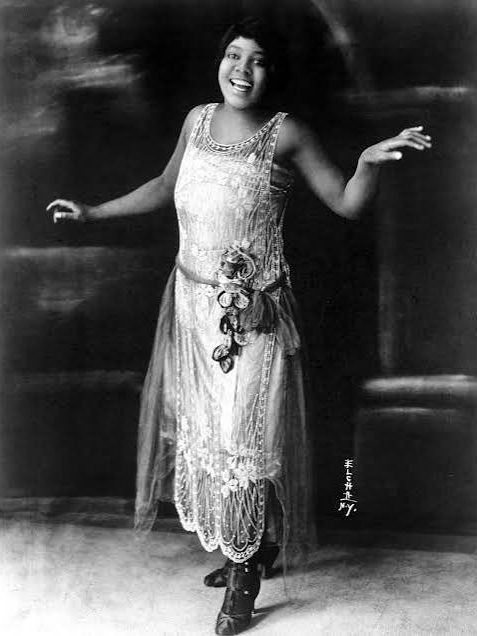
Bessie Smith
The Empress of the Blues.
Born in Tennessee in 1894, Bessie Smith became one of the greatest blues singers of the 1920s and one of the most powerful voices of her generation.
Her deep, commanding voice could express joy, heartbreak, strength and pain with extraordinary intensity. She recorded with some of the leading jazz musicians of her time, helping create recordings that would influence generations of singers.
Although her life was tragically short, her musical influence was enormous.
Her legacy: Her powerful voice helped shape the blues and influenced the jazz singers who followed her.
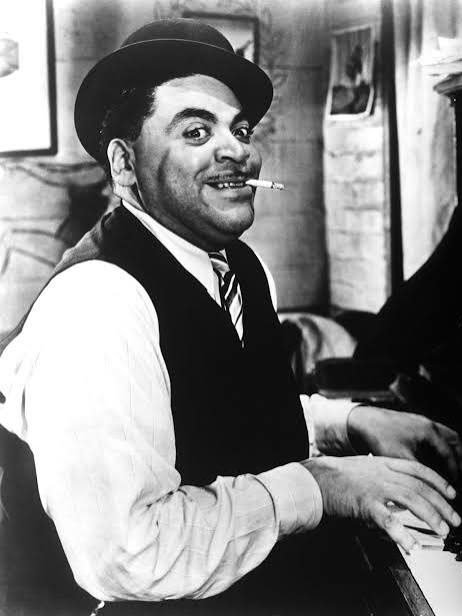
Fats Waller
The pianist who could make you laugh while making brilliant music.
Born in New York City in 1904, Fats Waller was a remarkable pianist, composer, singer and entertainer. He became one of the great masters of stride piano, a demanding style in which the left hand creates a powerful rhythmic foundation while the right hand plays intricate melodies.
But Waller wasn't just a brilliant musician. He was funny, playful and full of personality, turning his performances into unforgettable entertainment.
Songs such as “Ain't Misbehavin'” helped make him a major star during the 1930s.
His legacy: He showed that brilliant musicianship and great humour could live side by side.
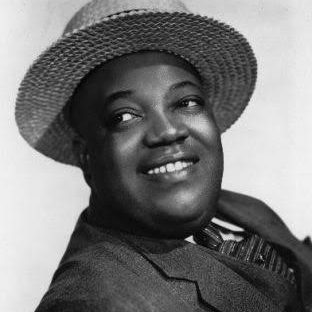
Jimmy Rushing
The powerful voice of Kansas City swing.
Born in Oklahoma in 1901, Jimmy Rushing became one of the great blues and jazz singers of the swing era. Known affectionately as “Mr. Five by Five,” he was famous for his powerful voice and energetic delivery.
Rushing joined the Count Basie Orchestra in 1935 and became one of the defining voices of its hard-swinging Kansas City sound. His rich, bluesy singing fitted perfectly with Basie's driving rhythm and became an important part of the band's identity.
He remained a respected performer for decades after his time with Basie.
His legacy: His powerful blues voice helped define the sound of Kansas City jazz and the swing era.
The voice that made people feel every word.
Born in Baltimore in 1915, Billie Holiday became one of the most distinctive and influential singers in jazz. Nicknamed “Lady Day,” she had a voice unlike anyone else, filled with emotion and deeply personal expression.
Holiday had a remarkable way of changing a song through her phrasing. She could slow down, stretch a note or place a word in an unexpected way, turning even the simplest melody into something deeply moving.
Her ability to express heartbreak, sorrow and longing made her one of the most important jazz singers of her generation.
Her legacy: She changed the way singers used their voices to tell a story.